Raised garden beds are the easiest way to start a vegetable garden. You skip digging up lawn, you control the soil, and the plants are easier to reach. The hard part is picking one, because listings range from a $20 metal frame to a $300 elevated planter.
This guide narrows it to seven beds that suit first-time gardeners, with a clear pick for each situation. If you are still unsure, start with a single 4×2 ft bed. It is cheap, quick to fill, and teaches you what you need before you spend more.
Our Top Picks at a Glance
- Best overall: SnugNiture 3-Pack 4x2x1.5 ft
- Best budget: Land Guard 4x2x1.5 ft
- Best for deep roots: MUPATER 24 in Tall 8×4 ft

Quick Comparison
| Bed | Size | Material | Price | Best for |
|---|---|---|---|---|
| SnugNiture 3-Pack | 4x2x1.5 ft x3 | Galvanized steel | $79.99 | Best overall for beginners |
| Land Guard | 4x2x1.5 ft | Galvanized steel | $31.99 | Best budget pick |
| PayLessHere | 6x3x1 ft | Galvanized steel | $19.99 | Cheapest way to try it |
| MUPATER 17 in | 8×2 ft | Galvanized steel | $94.99 | Best long bed |
| MUPATER 24 in | 8×4 ft | Galvanized steel | $139.99 | Best for deep roots |
| MUPATER Cedar | 6x3x2 ft | Cedar wood | $139.99 | Best-looking wood option |
| Foreman on Legs | 36 in, elevated | Weather-resistant elevated bed | $269.00 | Best for bad backs and patios |
Prices checked on November 7, 2026. They change often.
1. SnugNiture 3-Pack 4x2x1.5 ft Galvanized Raised Bed (Best overall for beginners)
This set gives you three 4×2 ft beds, each about 17 inches tall. That is a lot of growing space for the money, and 17 inches is tall enough for tomatoes, peppers and root crops without too much bending. With a 4.6 rating across more than 500 reviews, it is one of the better-reviewed kits in this price range.
Pros
- Three beds let you split crops (greens, tomatoes, herbs) and learn what each needs
- Good depth for most vegetables
- Strong rating for a metal kit
Cons
- Needs a lot of soil to fill all three
- Takes more yard space than a single bed
Check the current price on Amazon
2. Land Guard 4x2x1.5 ft Galvanized Raised Bed Kit (Best budget pick)

If you want to try raised-bed gardening without a big spend, a single 4×2 ft bed is the safest start. It is small enough to fill in one afternoon and big enough for a salad garden or a few tomato plants. It has a 4.4 rating from more than 650 reviews.
Pros
- Low price makes it easy to start
- Small size is quick to fill and easy to reach across
- Plenty of buyer feedback to read
Cons
- Only one bed, so you may want a second next season
- Thin steel needs careful handling during assembly
Check the current price on Amazon
3. PayLessHere 6x3x1 ft Galvanized Raised Bed (Cheapest way to try it)

At about $20 this is the lowest-risk option on the list. It is only about 12 inches tall, which suits lettuce, herbs, radishes and other shallow-rooted crops. It has a 4.6 rating from 170 reviews.
Pros
- Very low cost
- Wide 6×3 ft footprint for leafy crops
- Good rating for the price
Cons
- Shallow depth limits root crops and tomatoes
- Fewer reviews than the top picks
Check the current price on Amazon
4. MUPATER 17 in Tall 8×2 ft Galvanized Raised Bed (Best long bed)

A long, narrow bed is easy to work from both sides and fits along a fence or a patio edge. At 17 inches tall it gives roots room to grow. It is rated 4.5 on the listing.
Pros
- Narrow width means you never step in the bed
- Good height for most vegetables
- Fits fence lines and walkways well
Cons
- Higher price than the 4×2 kits
- Needs a lot of soil for the length
Check the current price on Amazon
5. MUPATER 24 in Tall 8×4 ft Galvanized Raised Bed (Best for deep roots)
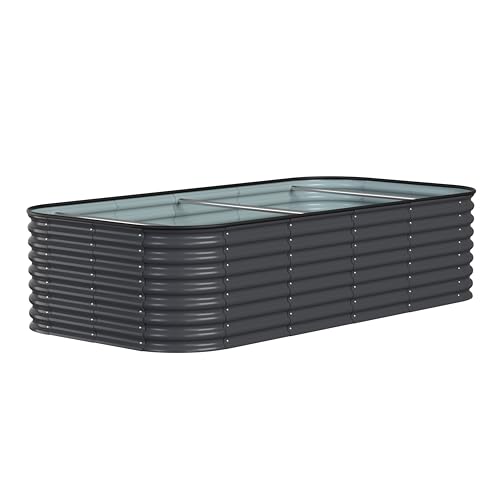
This is the step-up bed for gardeners who know they will keep going. At 24 inches tall it suits carrots, parsnips, potatoes and big tomato plants, and the extra height means less bending. It is rated 4.5 on the listing.
Pros
- Deep soil for root crops
- Large 8×4 ft growing area
- Less bending than a low bed
Cons
- The most soil to buy of any pick here
- Not the best first bed if you are unsure you will stick with it
Check the current price on Amazon
6. MUPATER 6x3x2 ft Cedar Raised Garden Bed (Best-looking wood option)

Cedar suits gardeners who prefer a natural look on a patio or in a front yard. Cedar naturally resists rot better than most wood, but it still costs more than steel and will not match a steel bed for lifespan in very wet climates. It is rated 4.3 on the listing.
Pros
- Natural look
- Warm material that blends into most yards
- 2 ft height is easy on the back
Cons
- Highest price for the size
- Lower rating than the steel kits
Check the current price on Amazon
7. Foreman Raised Garden Bed on Legs (36 in) (Best for bad backs and patios)
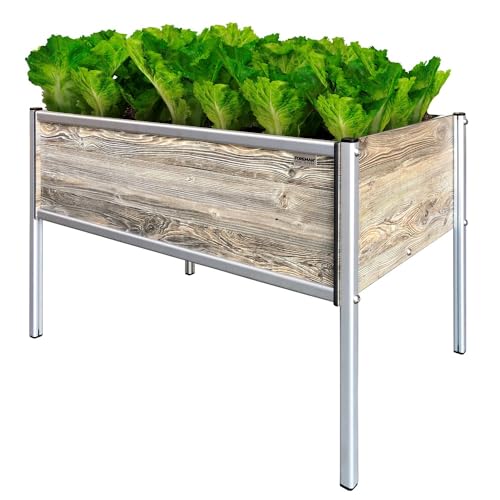
An elevated bed on legs puts the soil at working height, so you can garden standing or from a chair. It is a good fit for a patio, deck or anyone who cannot kneel. It is a premium price with only a few dozen reviews, so treat it as a niche pick rather than a first bed.
Pros
- Soil at working height
- Works on patios and decks
- No kneeling
Cons
- Expensive
- Small review count
- Holds less soil than ground-level beds
Check the current price on Amazon
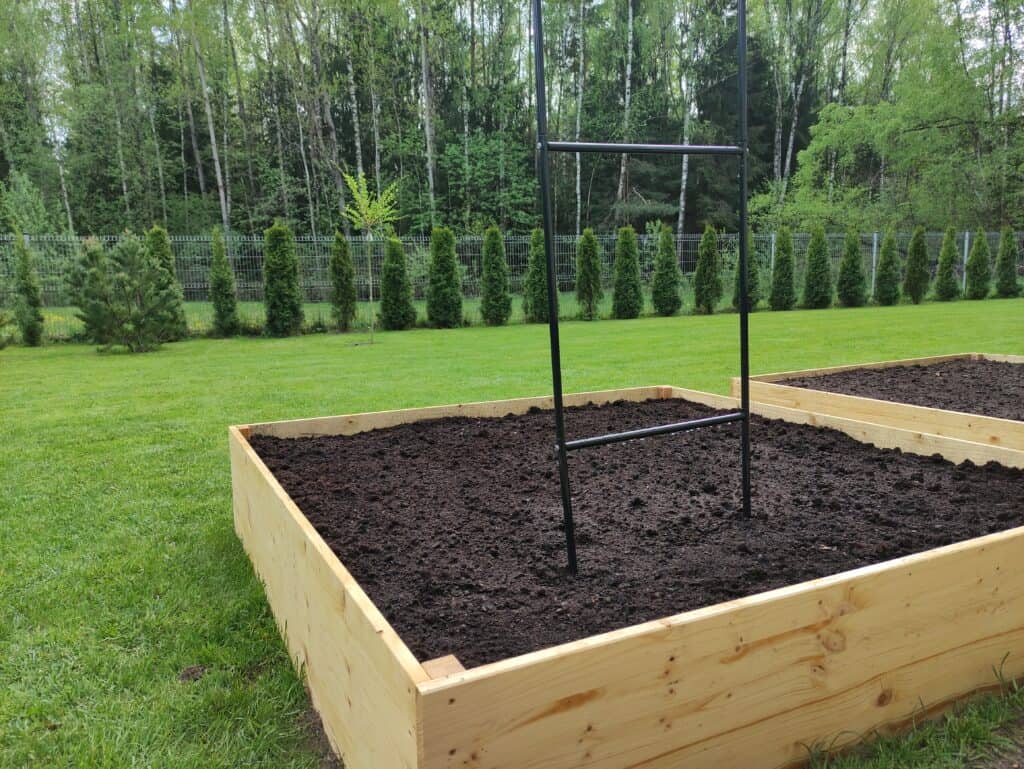
How to Choose a Raised Garden Bed
Material: galvanized steel or cedar
Galvanized steel is the best value for most beginners. It is light, easy to assemble and lasts many seasons. Cedar looks nicer and resists rot well for a wood, but it costs more per square foot. Cheap thin metal can have sharp edges, so wear gloves when you build it.
Size: start small
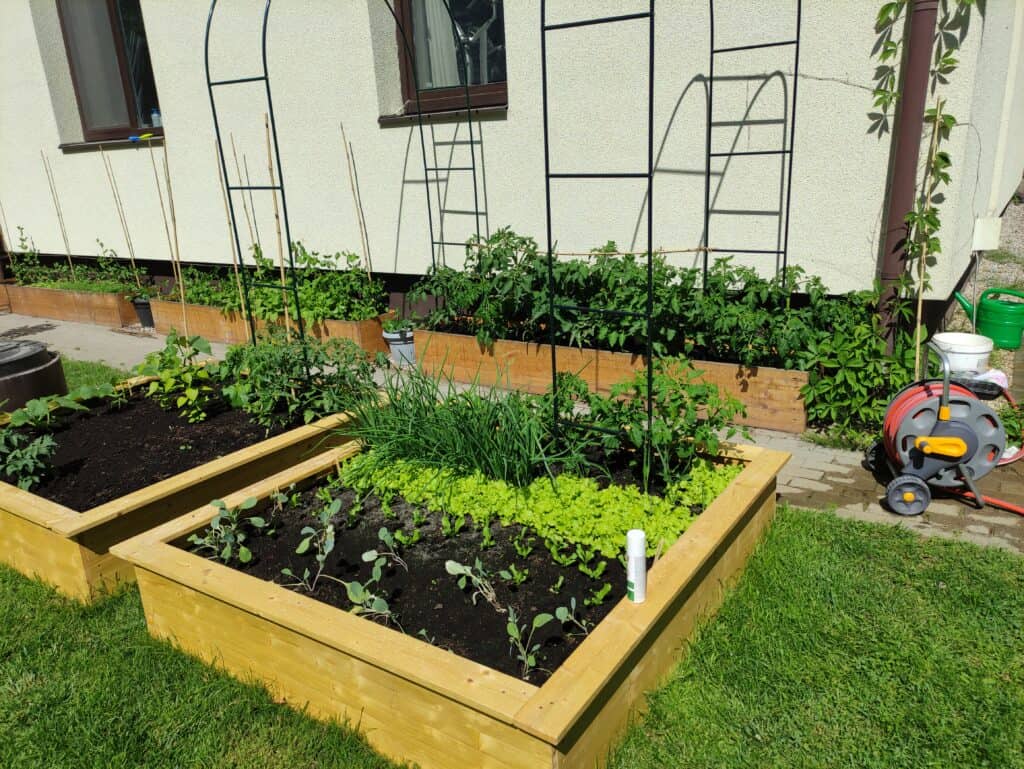
A bed that is 4 ft wide or less lets you reach the middle from the edge, so you never have to step on the soil. A 4×2 ft bed is plenty for a first season. You can add a second bed later when you know what you like to grow.
Height: match it to your crops
Around 10 to 12 inches works for lettuce, herbs and radishes. For tomatoes, peppers and carrots, aim for 17 inches or more. Taller beds also mean less bending.
How much soil you need
Multiply length by width by height in feet to get cubic feet. A 4×2 ft bed that is 1.5 ft tall holds 12 cubic feet. Bagged soil is sold in cubic feet, so this tells you how many bags to buy. Most beginners underestimate this, and a full-size bed can take more bags than you expect.
Open or closed bottom
Most steel kits are open at the bottom, which lets roots and water move down into the ground. That is what you want on normal garden soil. On concrete or a deck, choose a bed designed for it, such as an elevated planter.
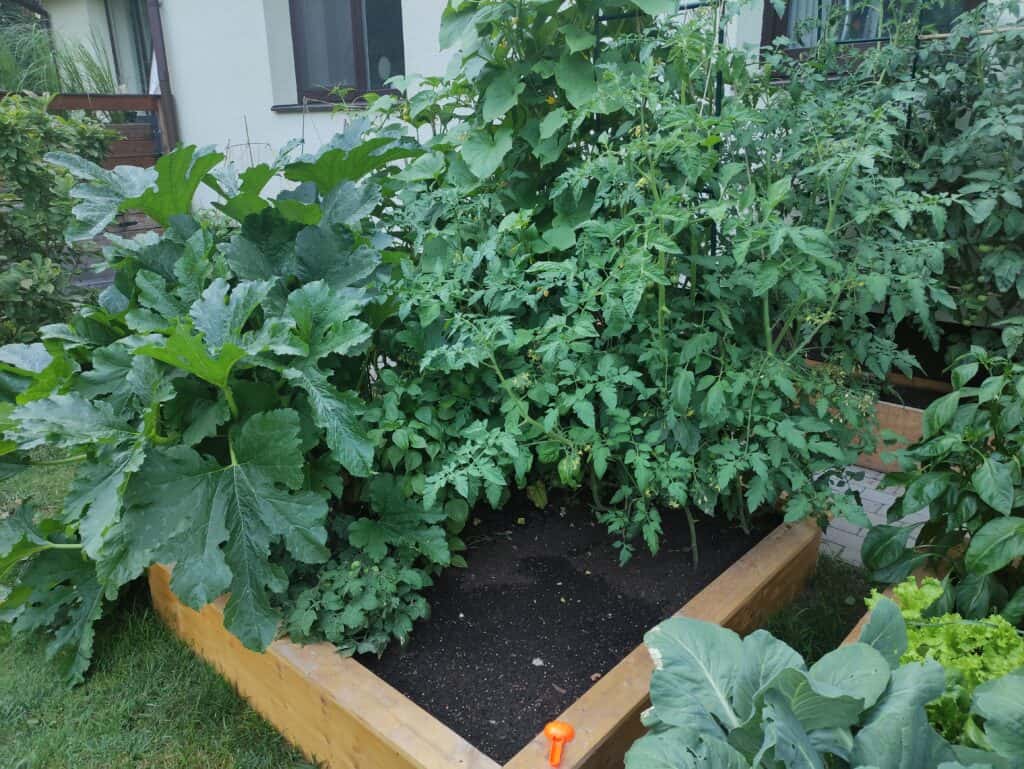
What to Fill Your Raised Bed With
A common mix is roughly half quality topsoil or bagged garden soil and half compost. Homemade compost is the cheapest way to improve it, and our guide to how to compost at home shows how to start. Top the bed up each spring as the soil settles.
Setup Tips for Beginners
- Pick a spot that gets at least 6 hours of direct sun a day.
- Put the bed near a water source. If you plan to automate watering, read our comparison of drip irrigation vs soaker hoses.
- A lightweight hose is easier to drag around a bed, as we cover in our guide to lightweight garden hoses.
- Keep a good pair of pruners and a tool belt close so tending the bed is quick.
- Level the ground first so the frame sits flat and the corners stay square.
FAQ
How tall should a raised garden bed be for beginners?
Between 12 and 17 inches suits most vegetables. Choose 17 inches or taller for root crops and tomatoes, or if you want to bend less.
Is galvanized steel safe for vegetables?
Galvanized steel beds are widely used for vegetable gardening. Check the listing for the manufacturer safety details, and use gloves while assembling because cut edges can be sharp.
Do I need to line the bottom of a raised bed?
Usually not. An open bottom lets roots and drainage work as normal. Weed barrier cloth or cardboard on the ground under the bed is enough to hold back grass.
Cedar or metal: which lasts longer?
Steel generally lasts longer in wet climates, while cedar lasts well for a wood but will eventually weather. Cedar costs more for the same size.
What size raised bed should I start with?
A 4×2 ft bed is a good first bed. It is easy to fill, easy to reach across and large enough for a small salad and herb garden.
Bottom Line
For most first-time gardeners, the SnugNiture 3-pack is the best mix of size, height and price. If you only want to try it for a season, the Land Guard 4×2 ft bed is a low-cost start. Pick the 24 in MUPATER bed if you already know you want deep-rooted crops, and consider an elevated bed only if bending or kneeling is a problem.
Once your bed is built, read our guide to composting at home to keep the soil healthy for years.
Moving soil, mulch and compost for a new bed is easier with the right cart. See our guide to the best garden carts and wagons for small yards.
To clean raised bed frames, patios and paths, see our best electric pressure washers for small yards.