Damping off is one of the most frustrating seed-starting problems because a tray can look healthy and then young seedlings suddenly collapse at the soil line.
The disease is caused by several soilborne pathogens, commonly including Pythium, Rhizoctonia and Fusarium. The organisms thrive when young seedlings are stressed by conditions such as excessive moisture, poor drainage, low light, overcrowding or unfavorable temperatures.
You cannot reliably rescue a seedling once the stem has rotted through. The goal is prevention.
Quick Prevention Checklist
- Use clean trays and tools.
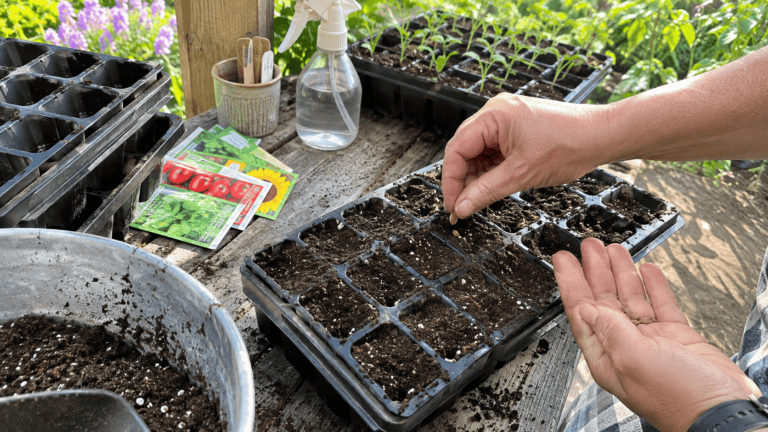
- Use fresh, clean seed-starting mix.
- Do not use garden soil for indoor seed trays.
- Use containers with drainage holes.
- Keep the mix moist, not saturated.
- Provide strong light immediately after emergence.
- Avoid overcrowding.
- Maintain appropriate temperature.
- Improve gentle airflow.
- Remove infected seedlings promptly.
What Does Damping Off Look Like?
University of Minnesota Extension lists several common symptoms:
- Seeds fail to emerge.
- Seedling stems look water-soaked or discolored.
- The stem becomes very thin near the soil line.
- Seedlings wilt and fall over.
- Roots are stunted, brown or rotted.
- Under humid conditions, white cobweb-like fungal growth may appear.
Pre-emergence damping off kills the seed or young sprout before it reaches the surface. Post-emergence damping off attacks after emergence, usually causing the stem to rot at or just below the soil line.
1. Start With Clean Trays
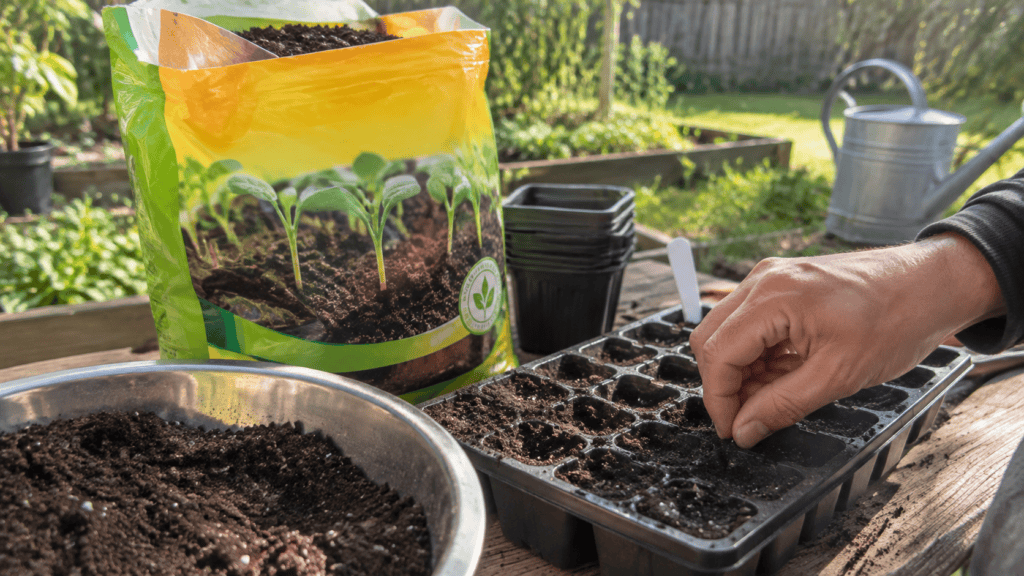
Old seed trays can carry plant debris and pathogens from a previous season. Wash used containers before reusing them.
University of Minnesota Extension recommends disinfecting used pots and trays in a 10% household bleach solution for about 30 minutes. Rinse and dry them before filling.
If you prefer reusable trays, choose designs that are easy to wash. See our seed-starting tray guide.
2. Use Fresh Seed-Starting Mix
Do not fill indoor trays with soil dug from the garden. It is heavy, drains poorly in small cells and can contain damping-off organisms.
Use a clean, soilless seed-starting mix. University of Minnesota specifically advises using new potting mix and not reusing old mix for sensitive seedlings.
Our best seed starting mix guide compares practical options.
3. Make Drainage Non-Negotiable
Every cell or pot needs a way for extra water to escape. A tray with constantly saturated media creates ideal conditions for root and stem disease.
If a decorative container has no drainage holes, do not use it for seedlings unless you place a properly drained inner pot inside.
4. Stop Keeping the Mix Constantly Soggy
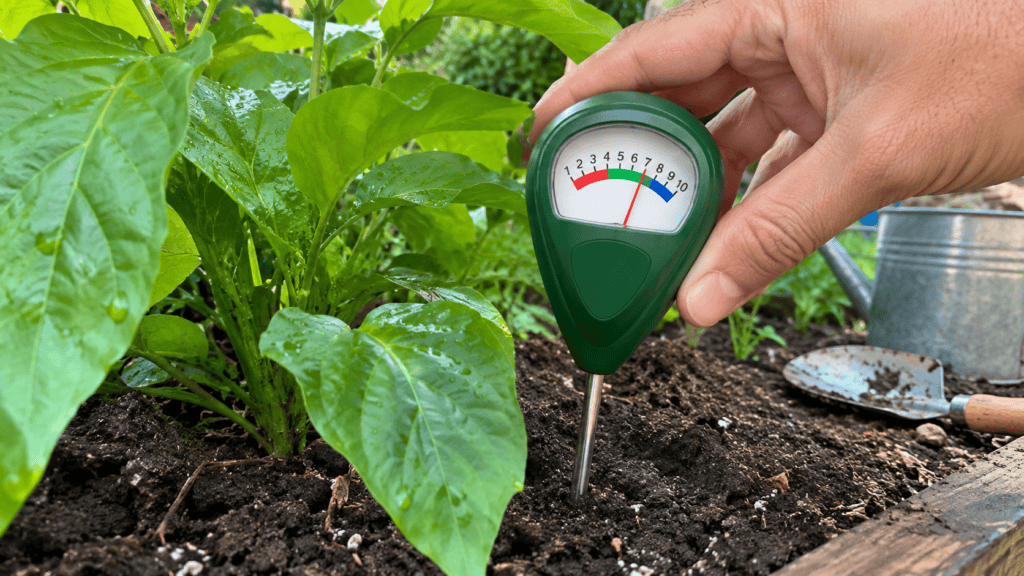
Seed-starting mix should be evenly moist during germination, not waterlogged.
Water when needed, then allow air back into the pore spaces. If the tray is sitting in runoff, empty the excess water.
Bottom watering can be useful because it keeps foliage and stems drier, but remove the tray from standing water once the media has absorbed enough moisture.
5. Manage Temperature Carefully
Damping-off pathogens benefit from conditions that slow seedling growth. Minnesota notes that cool, wet media increases risk.
Bottom heat can improve germination for warm-season crops. After seedlings emerge, remove unnecessary heat if the tray is staying overly warm and wet.
Penn State notes that low soil temperatures before germination and excessively high temperatures after emergence can both favor damping-off problems in greenhouse conditions.
6. Give Seedlings Strong Light
Weak light slows sturdy growth and keeps seedlings vulnerable for longer.
After emergence, move trays directly under suitable lights. University of Minnesota recommends roughly 12 to 16 hours of light, while Maryland commonly recommends about 14 to 16 hours for vegetable seedlings.
If seedlings are stretching instead of staying compact, read why seedlings get leggy.
7. Thin Crowded Seedlings
Dense trays hold humidity around stems and reduce air movement. They also create competition for light.
Thin seedlings early and follow spacing recommendations when potting up.
8. Add Gentle Airflow
A small fan on low can help move humid air away from the soil surface and strengthen stems. The goal is gentle circulation, not a constant strong blast.
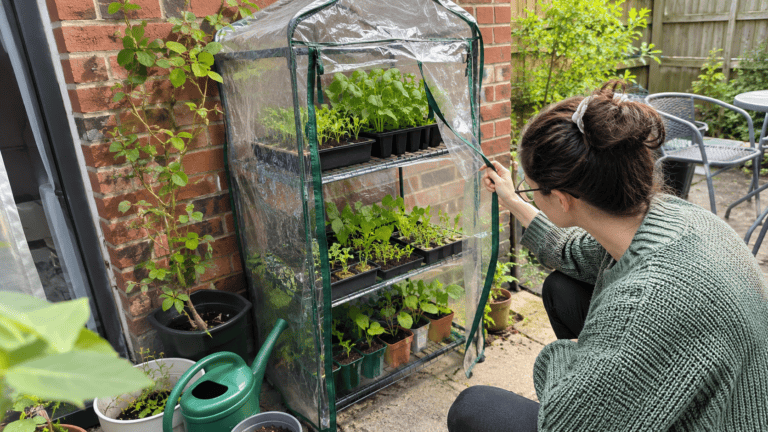
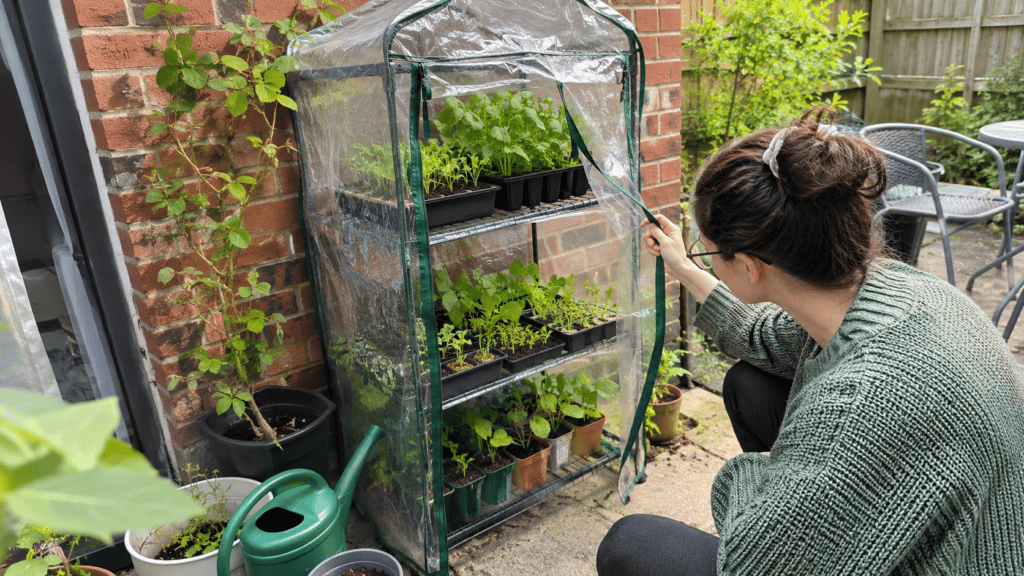
Airflow is especially helpful in enclosed seed-starting racks and small greenhouses.
9. Keep Tools and Work Surfaces Clean
A clean tray can be contaminated again by a dirty trowel, reused plant label or potting bench.
Clean tools before seed-starting season and avoid setting sterile trays on a dirty greenhouse floor.
10. Do Not Overfertilize Young Seedlings
High soluble salts from excessive fertilizer can injure roots and slow growth, making seedlings more vulnerable.
Many seed-starting mixes contain little fertilizer by design. Wait until seedlings have developed true leaves, then feed only as recommended for the product and crop.
What to Do If Damping Off Has Already Started
- Remove collapsed seedlings and nearby contaminated media.
- Improve airflow.
- Reduce watering frequency if the mix is constantly wet.
- Check drainage holes.
- Move surviving seedlings under strong light.
- Do not reuse infected mix for another seed batch.
If a whole tray is badly affected, starting over with clean equipment and fresh mix is often more reliable than trying to rescue weak seedlings.
Should You Use Fungicide?
For home seed starting, prevention through sanitation and moisture control is usually the first line of defense. Penn State notes that fungicides can inhibit root formation in some situations and recommends caution when treatment is necessary.
If you are considering a pesticide, use a product labeled for the crop, disease and setting, and follow the label exactly.
Damping Off vs. Overwatering
Overwatering can cause yellowing and weak roots without the classic pinched, rotted stem. But excessive moisture also creates conditions that favor damping off, so the two problems can overlap.
Damping Off vs. Leggy Seedlings
A leggy seedling may be thin but still firm and green. A damping-off seedling typically develops a weak, water-soaked or constricted area near the soil line and then collapses.
Best Seed-Starting Setup for Prevention
- Fresh seed-starting mix
- Clean trays with drainage
- Seeds planted at correct depth
- Appropriate germination temperature
- Strong overhead light after emergence
- Even moisture, not saturation
- Enough spacing and airflow
Frequently Asked Questions
Can seedlings recover from damping off?
Once the stem has rotted and collapsed, recovery is unlikely. Focus on protecting unaffected seedlings and improving conditions.
Does cinnamon prevent damping off?
Do not rely on kitchen remedies in place of sanitation, drainage and moisture control. Extension recommendations focus on clean media, clean containers and proper growing conditions.
Can I reuse seed-starting mix?
For very young seedlings, fresh mix is safer. Minnesota specifically advises against reusing potting mix when damping off is a concern.
Does a humidity dome cause damping off?
A dome is useful during germination, but leaving it on after seedlings emerge can trap excess humidity. Remove it once sprouts are up.
Can I start seeds in a mini greenhouse?
Yes, but monitor heat and humidity carefully. Our mini greenhouse guide covers compact setups.
Bottom Line
Damping off prevention comes down to clean equipment, fresh mix, drainage, careful watering, good light and airflow. The earlier you create those conditions, the less opportunity pathogens have to attack vulnerable seedlings.